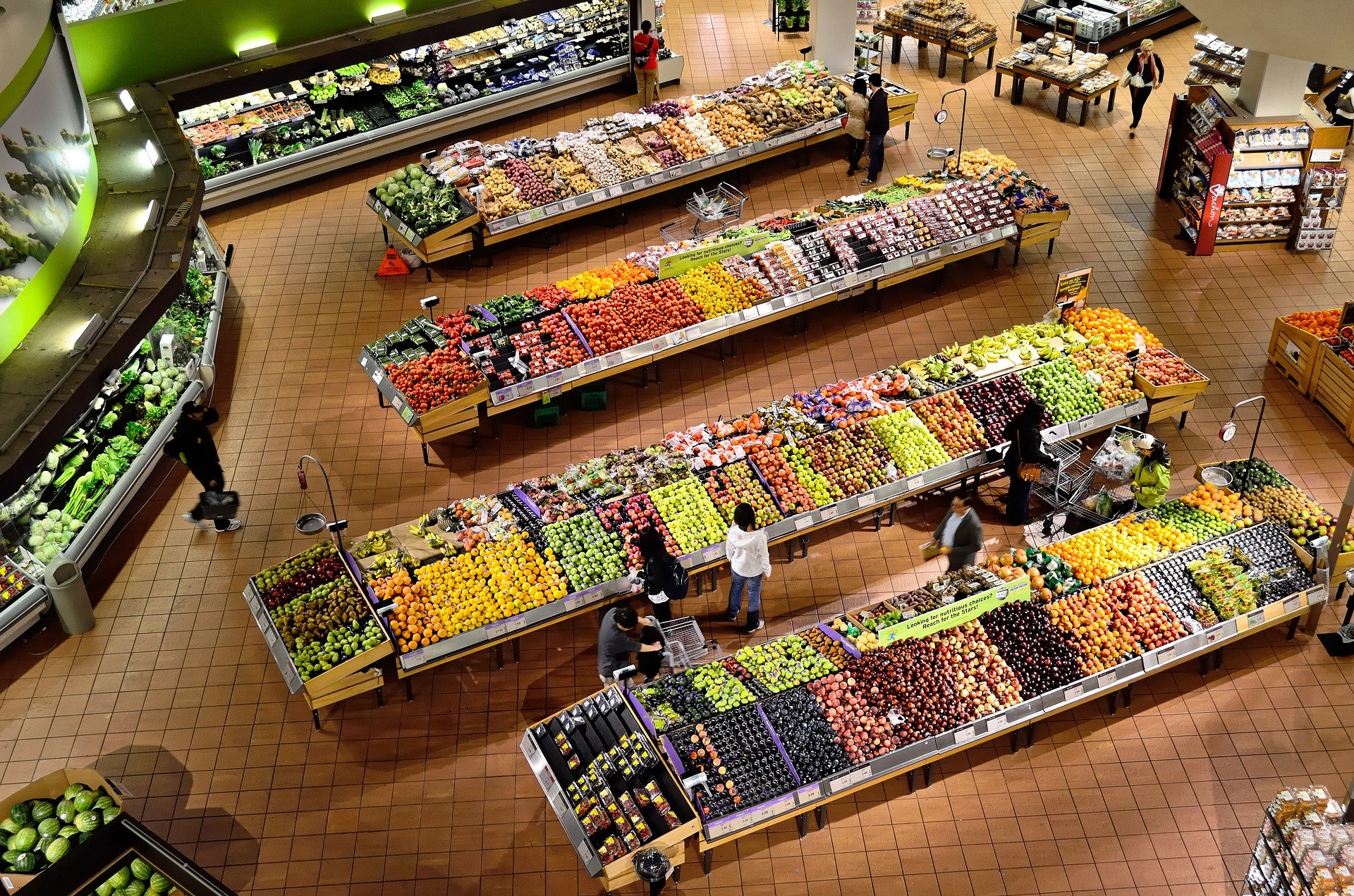
Supermarkets – Is your Trolley Half Full, or Half Empty?
Whatever the product, the prices from shop to shop can be wildly different, even if they are same thing. Supermarkets are a prime example.
Asda, known for years as one of the cheapest stores, has managed to turn the heads of millions of consumers with catchy slogans such as ‘Always Low Prices’, ‘More For You For Less’ and ‘Save Money. Live Better’.
Waitrose is at the other end of the scale, and arguably the most expensive, with taglines including ‘Quality Food, Honestly Priced’ and ‘Everyone deserves quality food. Everyone deserves Waitrose’. A typical shop at Asda vs Waitrose will usually come out cheaper at Asda, even if they contain the same branded products.
But with more and more options of where and how to get your weekly shop, what are your options?
The Big Four
Until recently, there were four main supermarkets in the UK, creatively named ‘the big four’. These were Asda, Morrisons, Sainsburys and Tescos; the four stores that predominately were the most popular, and most used. This was for many reasons; one of which is that they had the most stores, so naturally would get more customers. But recently there are more options becoming available. This includes the likes of Aldi and Lidl, as well as online stores such as MuscleFoods, Amazon Pantry and Amazon Fresh popping up, giving consumers more and more choice on where to shop.
Why the Price Difference?
Prices can vary for a number of reasons, no matter the product, or the shop. One reason could be the cost to the company in question. Say two stores buy a particular product – Heinz baked beans for example. Store 1 may buy 100,000 tins a week, and therefore can buy them at a cheaper set rate. Store 2, who may only buy 40,000 tins a week, may then be charged more per tin; as they are not buying as many.
Overheads are another factor – how many stores, and staff do they need to pay? If a shop has 1 member of staff and one store, their overheads will be considerably less than a company who owns 50 stores, and 3,000 staff – although again they would be earning more, and probably be able to buy things in for less. A third reason could be status – Asda have a target audience of working-class families, who are gearing to get good value for their shop. Waitrose are geared more towards the upper-class families, with plenty of royals and celebs being pictured in Waitrose stores over the years.
Some stores are able to import foods from overseas much cheaper, and pass the savings directly onto the buyer.
Is it worth it? It depends on your taste, and convenience. You may love shopping at Sainsburys, but your closest store is 20 miles away. However, you have a Tescos and Lidls within a few miles of your home, and online options too. Or, you may prefer certain store layouts, the convenience of shopping online, pricing or even tastes of certain foods. There really is no right or wrong answer, but just know your shopping options aren’t limited!
Where is your favourite place to shop, and why? Let us know by sending a tweet or messaging us below, and don’t forget to check out our great home savings tips!